


You probably haven’t thought much about your drug reference lately. You have your go-to veterinary drug reference or formulary, and most of the time, it’s enough. But then you need dosing information on a new drug, or you need to know if it’s safe to use with your patient’s current meds, or you’ve got a client who’s struggling to administer medications at home. And suddenly, your usual formulary isn’t cutting it. You’re stuck searching online for answers, chasing down a colleague, or writing instructions by hand at the end of a long day.
Those everyday setbacks add up. They slow you down, wear you out, and leave room for mistakes.
That’s why the veterinary drug reference you reach for matters more than you might think.
How Your Veterinary Drug Reference Can Derail Your Day
Veterinary medicine doesn’t stand still. And if your reference hasn’t kept pace, that can be a problem.
Like when you need clear dosing and safety details on GS-441524, but your go-to reference hasn’t been updated since FIP became something you could actually treat. So you end up scrolling through forums, piecing information together.
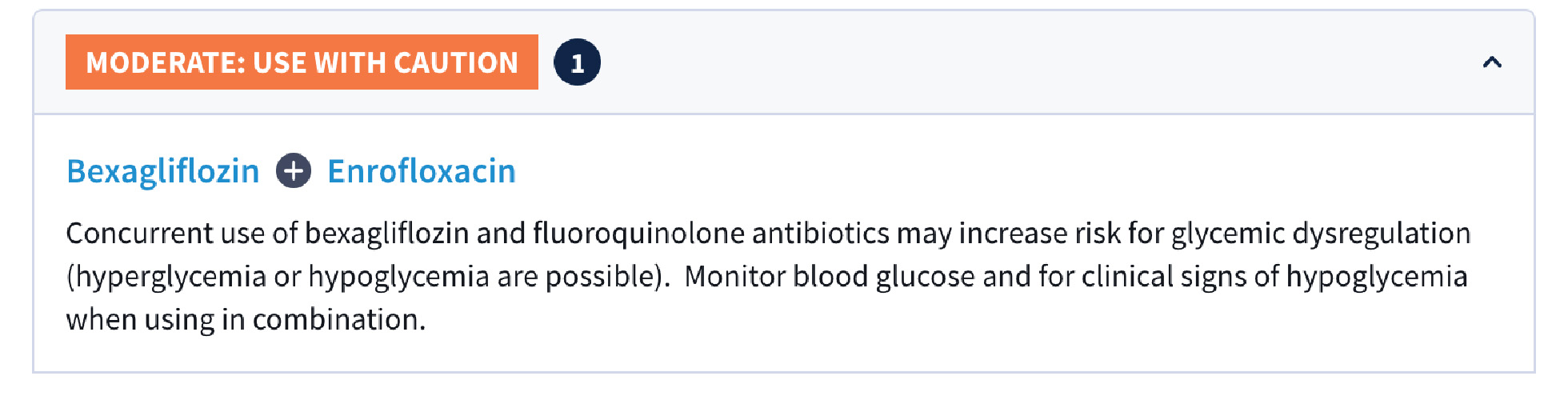
Or you’ve got a diabetic cat with a UTI and need to double-check if it’s safe to use enrofloxacin alongside bexagliflozin. But enrofloxacin isn’t used in people, so it doesn’t show up in the human drug interaction checker—and you miss the risk of glycemic dysregulation.
And it’s not always the clinical questions that throw a wrench in your day. When an app crashes mid-shift or the book isn’t where you left it, it costs you time you can’t afford to waste.
These are the moments when the right veterinary drug reference makes all the difference.
What to Look for in a Veterinary Drug Reference
So, what should you actually look for in a drug reference? Here’s what matters most when you’re moving quickly and need answers you can trust.
✅ Frequent, transparent updates
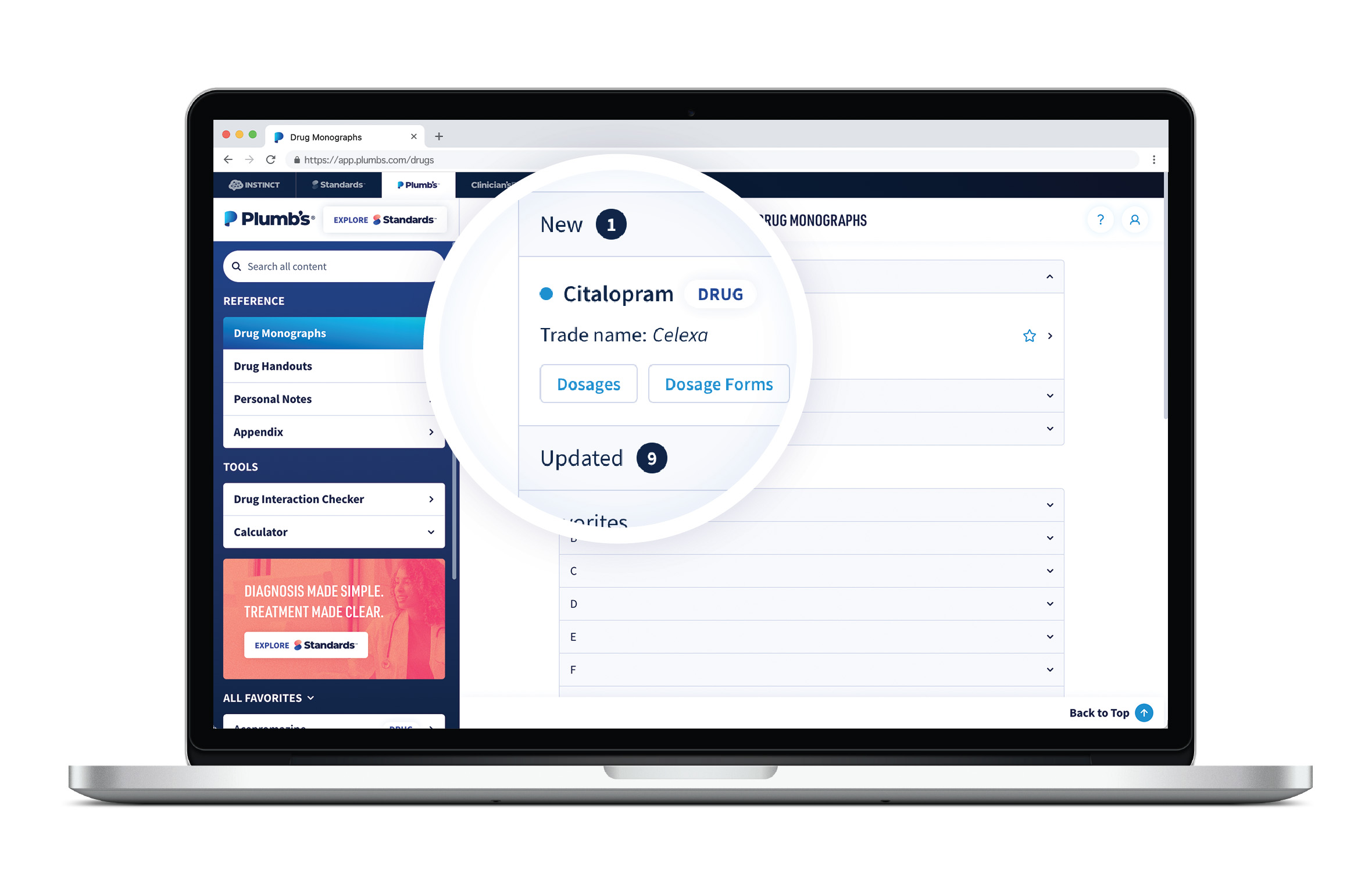
You shouldn’t have to wonder if the guidance you’re relying on is accurate or up to date. A good reference is continually updated by experts you can trust and clearly indicates when updates or additions are made.
✅ Clear answers, fast
You should be able to find current veterinary-specific dosing, precautions, adverse effects, and other key details quickly and easily, without flipping pages or clicking through multiple tabs.
✅ A veterinary-specific drug interaction checker
Human drug interaction checkers don’t account for species-specific differences and can leave dangerous information gaps. The one you rely on should be built for veterinary patients and reviewed by experts in veterinary pharmacology.
✅ Easy access wherever you are
Whether you’re in the exam room, the parking lot, or catching up from home, your reference should be quick, reliable, and easy to use on whatever device you’ve got with you.
✅ Support for client conversations
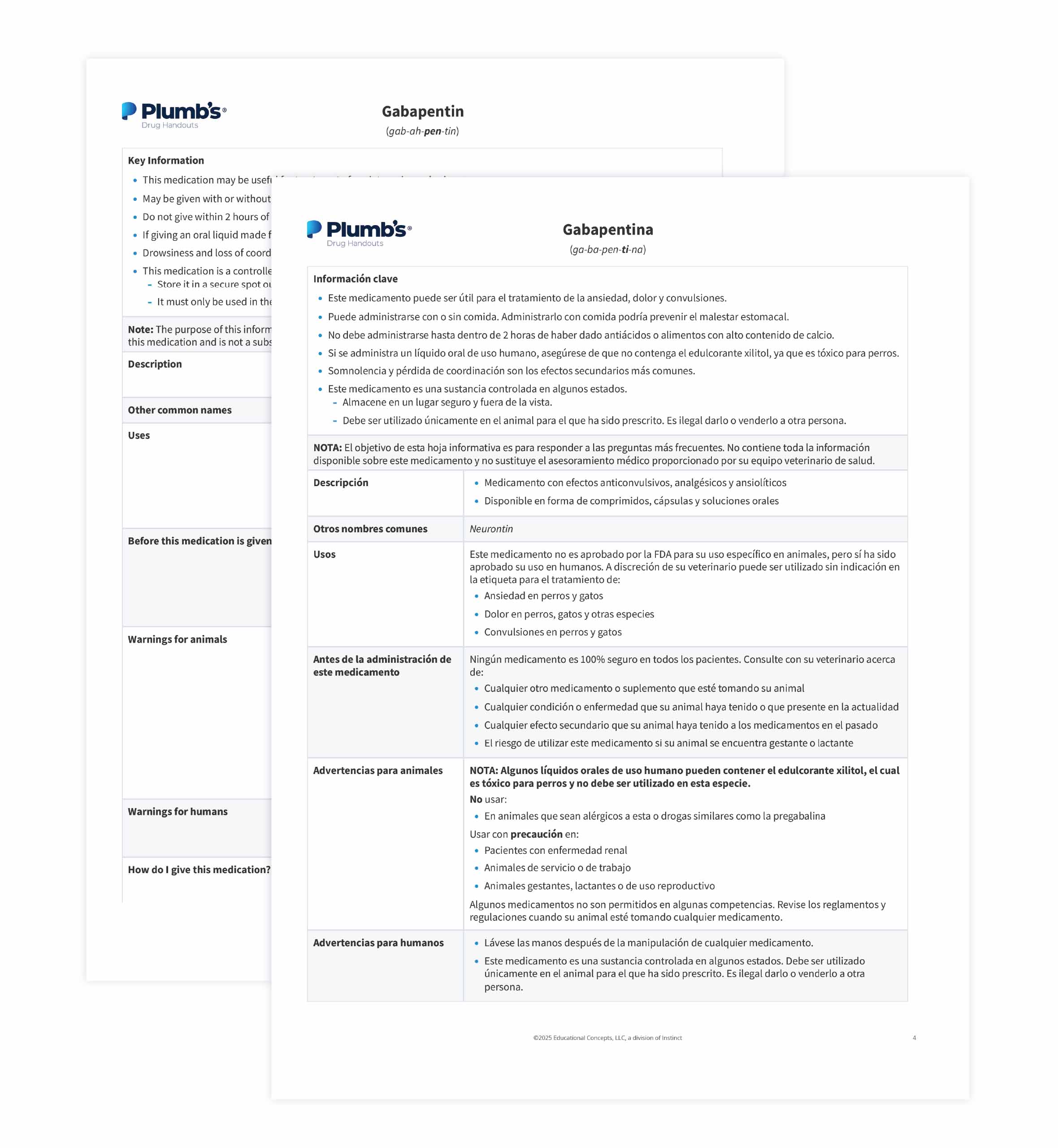
Even clear instructions in the clinic can be tough for clients to remember later. Your reference should include drug handouts that are easy to share and easy for pet owners to understand. Having handouts available in other languages is an added bonus.
Common Problems with Veterinary Drug References
Of course, knowing what features to look for is only half the story. It’s just as important to recognize the signs that your drug reference might be falling short. Here are a few red flags to watch out for.
🚩 Long gaps between updates
If you can’t tell when drug information was last reviewed, how often it’s updated, or who’s reviewing the information, that’s a problem. Veterinary medicine moves fast, and your reference should keep up.
🚩 Repackaged human-focused content
Some tools rely heavily on human medicine. That means they may miss common veterinary drugs, species-specific doses, or extra-label uses, letting important details slip through the cracks.
🚩 Tough-to-navigate design or poor mobile access
You shouldn’t need a desktop computer to look up a dose. If your current go-to drug reference is slow, hard to navigate, or tough to use on your phone, it’ll slow you down when time matters most.
🚩 No support for client communication
If your drug reference doesn’t include client handouts, you’re stuck trying to find or create your own. And without something to take home, it’s easy for clients to forget key details.
If any of those issues sound familiar, it might be time to take a closer look at your drug reference.
See how Plumb’s works in this quick demo.
Finding a Drug Reference That Fits Real-Life Practice
A good drug reference shouldn’t slow you down or leave you second-guessing. It should be easy to use, accurate, and genuinely helpful in the middle of a busy day.
That’s why it matters when a tool is built specifically for veterinary teams. It needs to reflect the way you practice and the kinds of questions that come up every day—whether you’re double-checking a dose, looking up an interaction, or sending a client home with instructions they’ll actually understand.
That’s exactly what Plumb’s was designed to do. From species-specific interaction guidance to practical client handouts and mobile-friendly access, it’s built to support your decision-making in real time.
The right drug reference doesn’t just give you answers. It supports better decisions, smoother days, and stronger client communication. If your current tool isn’t doing that, it might be time to try one that does.